
Quick Tips for Writing Medical Prose
By Nancy Fagan
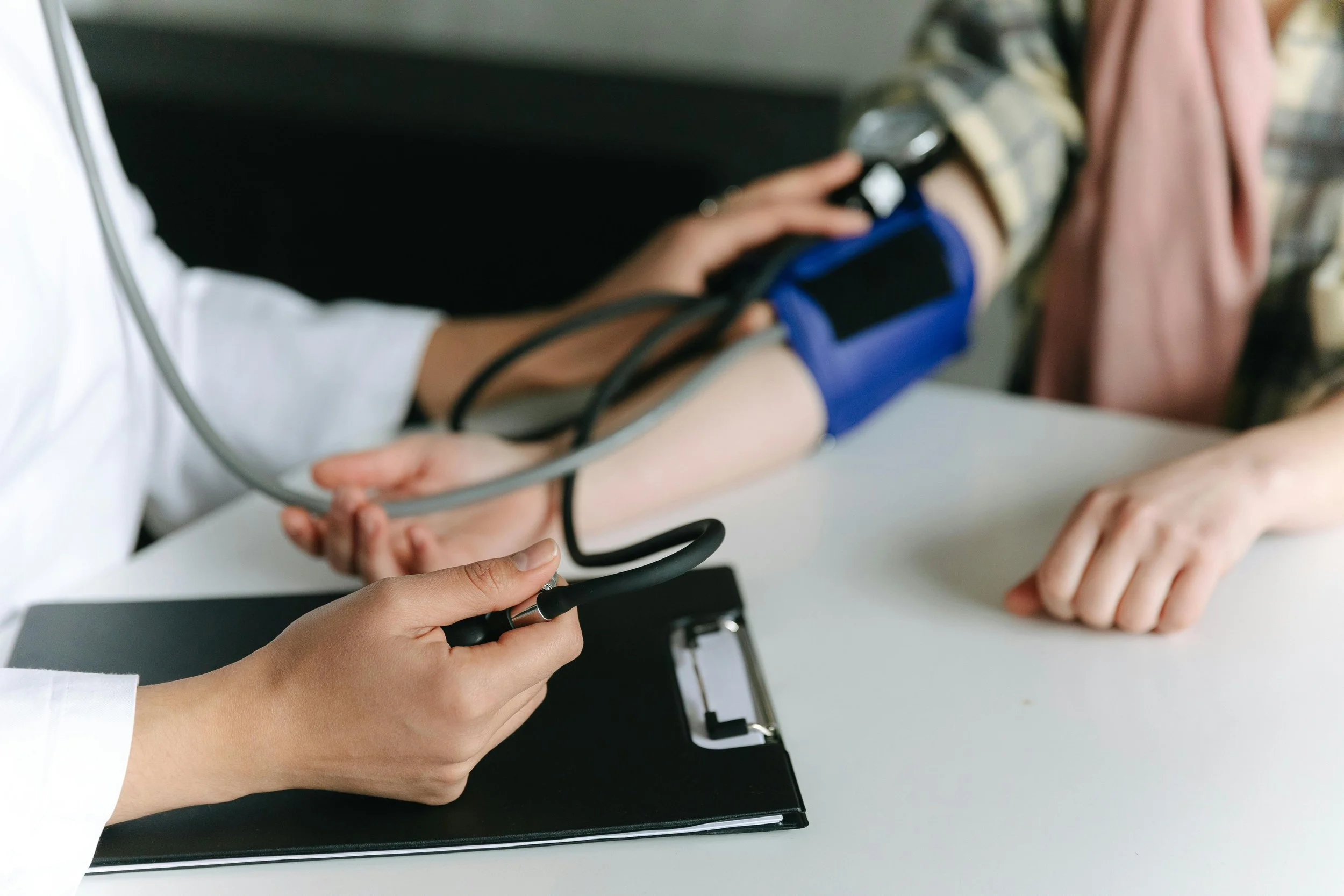
Health is a subject that connects all of us. Writers use such scenes to create drama, build emotional investment in a story, and to develop tension. Neurosurgery, head injuries, and chronic diseases, among others, affect a character's personality and create an opportunity for change. However, it's important to get the details right because readers notice mistakes and unchecked errors perpetuate false information, skewing facts.
Each story requires its own breadth of knowledge. For example, my short story in an upcoming anthology is driven by an older, married woman discovering she has a sexually transmitted disease. The choices she makes are the focus, but specifics about the disorder create plausibility. I relied on my nursing background. If you’re not in the medical community, adding realism to your health-related prose is easy to do.
Researching websites like the Mayo Clinic or WebMD will describe a procedure accurately, but any medical test includes a variety of sights, smells, and often sounds. Hearing metal instruments clank, depicting a patient who squeezes a nurse’s arm during an uncomfortable biopsy, or describing what's on the ceiling of an exam room will add interest to your story. It's important to get these details right to pave connections with readers. And when you get them wrong, medical personnel will notice.
I encourage you to find a provider to ask questions of or to read your work to validate your information. Is your wife a surgeon or a neighbor a lab technician? It is my experience that people are willing to lend their expertise freely. Security guards or housekeepers or any hospital worker can add touches that I guarantee you skipped in your first draft. In the aftermath of one failed Code Blue in ICU, I tidied other objects beyond the typical array of used alcohol wipes and syringes that peppered the room. A grouping of birthday cards atop a handwritten note wishing the patient his best year yet stood out to me. Specifics like this increase texture and character depth, bringing a scene to life.
Another great resource is to read novels with medical plots whose authors are clear experts in their fields. Memoirists give an insider's perspective on a disease or medical procedure they've personally undergone. A first-person account stirs emotional responses and relays apt descriptions. A patient may not be an expert on their condition, but they are an expert at living in the body that is affected by it and know the symptoms they've suffered. And when you go to the doctor, pay attention to your surroundings and take notes afterward of things that stood out to you. I'm surprised at the number of handwritten signs hung in my doctor's examining room, for example. At the hospital, we put domestic violence hotline numbers in the stalls of the bathrooms. These elements can make their way into your story and bring a richer picture for your readers.
It’s also important to avoid typecasting if possible. Bots of top orthopedists, award-winning neurologists, and heady flight surgeons—all drop-dead handsome - yearn to follow me on Instagram. Stereotypes abound and often seep into characters on television and in movies. They’re entertaining, titillating, and keep a fan base going. However, in my opinion, characters in prose are more interesting when written like real-life personnel who might have ragged nails, imperfect teeth, or a nose that's seen its share of fights.
Clothing varies through departments in the hospital and is often related to a particular job. A scrub-clad orderly who transports patients probably wouldn't have a stethoscope looped around their neck. A beeper clipped to a waist can be a prop twiddled between fingers to show nervousness or instigate action. Using the regular array of things available in a medical setting adds opportunity to express emotions or emphasize a character's position.
Another good way to be accurate is to consult photographs from hospitals. These provide information regarding realistic settings if they are not studio generated. Hospital archives often contain shots of wards or other areas that have particulars like a morgue scale in the corner or a recovery room with different colored arrows on the walls. One might glimpse thermometers on stands, a variety of machinery suspended over a patient’s head, or a tangle of IV poles.
Innumerable credible sources proliferate the spread of medical information on the internet. It's possible to watch a full triple bypass procedure, which is an open-heart surgery, on YouTube, through a variety of recognizable institutions. A sense of the environment, the tools that are used, and what the inside of the body looks like is conveyed in full-color action.
Fee-based resources that review medical prose abound as well. Other options are to try trade publications, naming a character after your volunteer, or writing ad copy for a medical practice. Ultimately, using a combination of these tips, you can bring your medical prose to the next level.
Nancy J. Fagan is a registered nurse and novelist whose work appears in Oklahoma Humanities, Abilities-Canada, JaneFriedman.com, and Breath & Shadow, among others. Her essays on living with rheumatoid arthritis have been reprinted throughout North America. Look for a new short story in the upcoming anthology 20 over 60 by Regal House, releasing in Fall 2026. Nancy J. has a BA in English from Mount Holyoke College and an MFA in writing from The Vermont College of Fine Arts. For more, please visit nancyjfagan.com or follow her on Instagram @writerfagan.