
Cheating
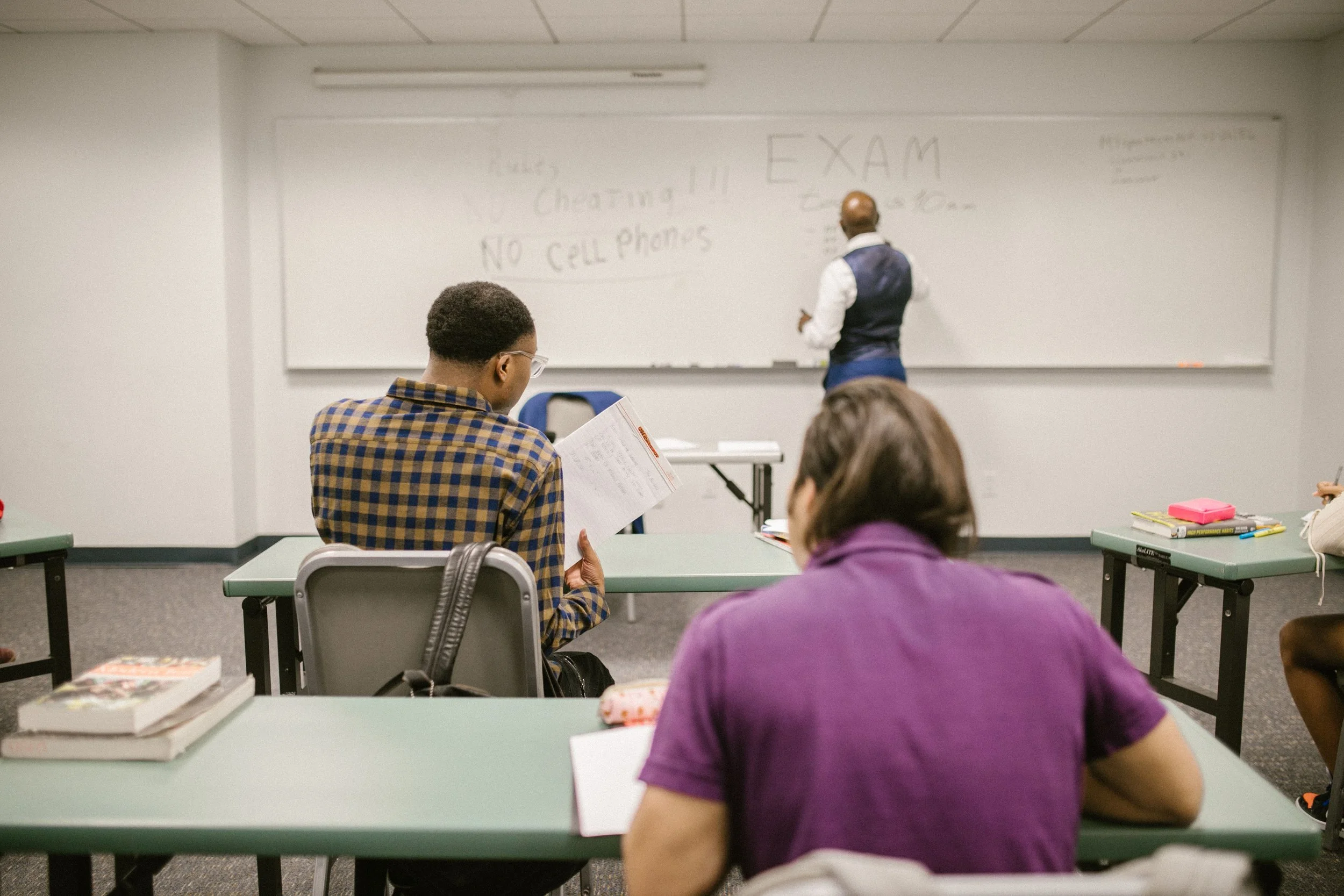
I saw a video recently in which a professor described an experiment one of her colleagues tried last semester. He put certain key words into the prompt for an exam. If the students simply plugged the prompt into AI and handed in what Gemini or Chat GPT then spat out, he’d know. To this teacher’s despair, he ended up failing 34 of his 36 students; only two answered the exam question on their own.
There’s a lot to unpack in that story, assuming it’s true. I wasn’t surprised that some students chose to use AI – to cheat, in short – instead of doing the work, but I was a little stunned that nearly all of them did. It certainly points to the transactional relationship a lot of young people have probably always had toward higher education. Unless you want to be a doctor, lawyer, or concert pianist, professions for which training and learning are absolutely necessary, the point of college can just be to get your degree so you can find a job and make money and buy things. The idea of learning for learning’s sake, for self-improvement, can seem like an obtuse luxury to someone who’s focused on figuring out how to survive in the world as an adult.
And as a writer, I was again reminded of the easy trap anyone can fall into of caring about results more than process. When I work with students and clients, I am consistently reminding them to shift their cultivated, professional preoccupation with getting the job done, delivering for the client, or meeting target goals to something more immediate. Your life can become a series of boxes on a list to be checked, where the only reason to do anything is because of what it will bring you when it’s completed.
I get it. If you want to be a writer, it’s a good idea to occasionally finish something. Then again, what’s the point of all this? When exactly do you get to say you’re doing what you’re doing because you love doing it? When you retire? On the weekend? I would say, right now. Or, creatively speaking, your very next sentence. Write it because you like writing it, because it’s satisfying when you reread it and think, “Yep. That’s it.” Everything we want professionally, all the results we think are so important, will flow from that. But every time I lift my eyes from the page and try to squint into the future to see where the story I’m writing is taking me, I cheat myself from the enduring gift writing, and life, is always offering me.
Check out Fearless Writing with Bill Kenower on YouTube or your favorite podcast app.
Everyone Has What It Takes: A Writer’s Guide to the End of Self-Doubt
You can find William at: williamkenower.com