
The Rejection Email I Never Deleted
By Argelia Salmon
The email arrived at 5:42 on a Tuesday morning.
I remember the time because I was already awake.
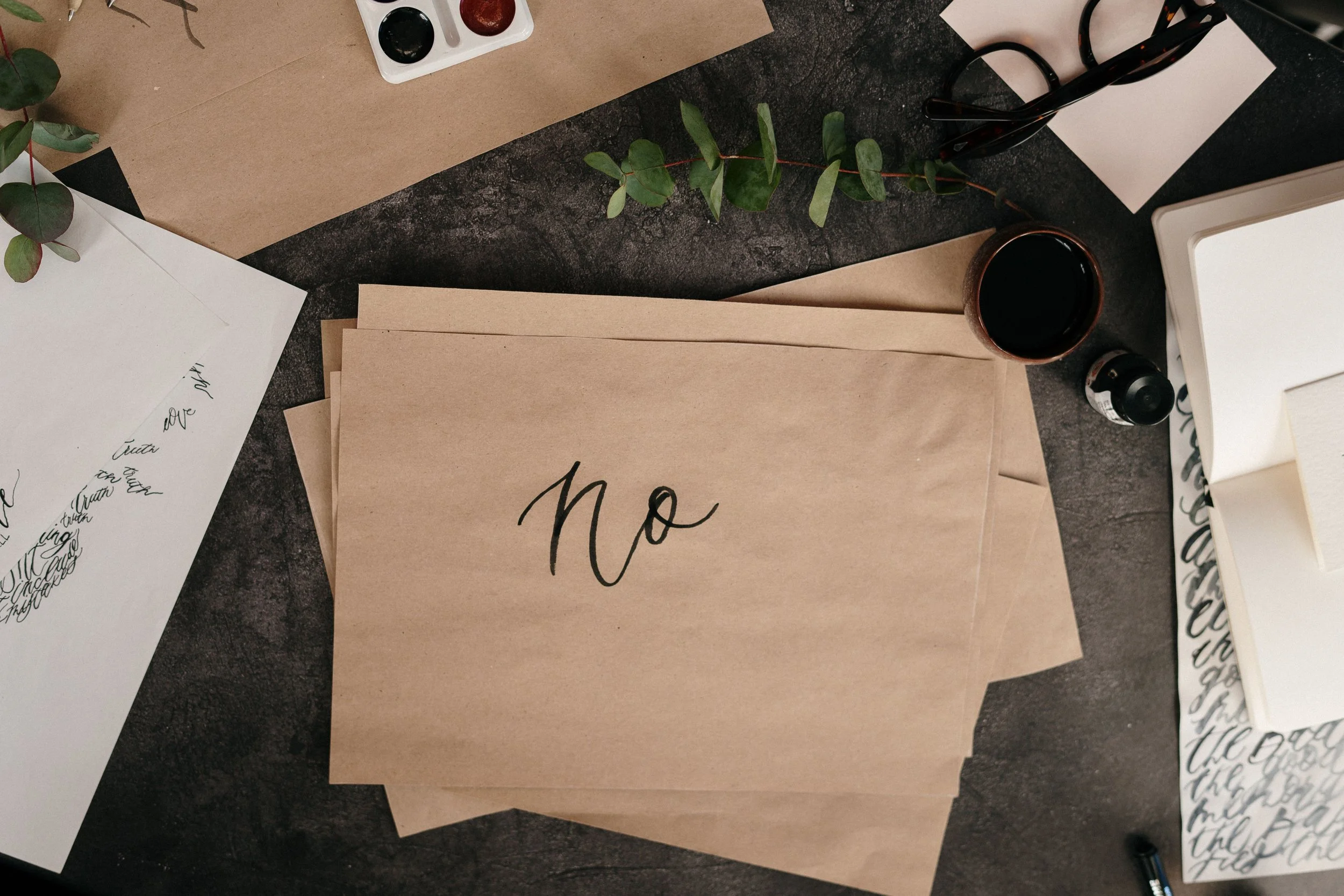
Sleep had become unreliable whenever I was waiting to hear back from a magazine. Before my feet touched the floor, I reached for my phone, hoping to see the one sentence every writer dreams about.
"We are pleased to accept..."
Instead, I found another version of a message I had begun to know by heart.
"Thank you for trusting us with your work..."
I stopped reading.
There was no point. I already knew how it ended.
I placed the phone face down on my nightstand and stared at the ceiling while the room slowly filled with daylight. Outside my apartment in Panama City, the neighborhood was waking up. A bus sighed to a stop. Someone rolled open a metal storefront. A dog barked once and then everything settled into the ordinary rhythm of another day.
The world had no idea that mine had just become a little smaller.
That morning, I almost quit.
Not in the dramatic way people imagine. I didn't swear I would never write again or throw pages into the trash. I simply wondered whether it was time to accept that maybe I wasn't the writer I wanted to be.
It’s a dangerous question because it sounds so reasonable.
No one sees the quiet part of writing.
They see the published essay, the author's name, the announcement on social media. They don't see the dozens of submissions that disappear without a reply. They don't see the evenings spent changing one sentence until it finally sounds like something another human being might believe. They don't see the strange loneliness of wondering if your words matter to anyone besides you.
I knew that loneliness well.
For months, my life had become a cycle of writing, revising, submitting, and waiting. I celebrated every acceptance, but there were far more rejections than victories. Some editors wrote kind notes. Others sent form letters. A few never answered at all.
Every rejection made me ask the same question.
What am I missing?
At first, I thought the answer was talent.
Then I blamed my style.
Maybe my essays were too quiet.
Maybe they were too personal.
Maybe I wasn't writing the kinds of stories editors wanted.
So, I tried to sound wiser than I was. I wrote sentences that looked beautiful but didn't feel true. I reached for bigger words when smaller ones would have been more honest. I was trying so hard to become the writer I imagined magazines wanted that I was slowly disappearing from the page.
One afternoon, after another rejection, I opened a folder on my computer simply labeled Drafts.
There were hundreds of files.
Some contained only a paragraph. Others were nearly finished. I began reading them, expecting to feel embarrassed.
Instead, I met older versions of myself.
The woman who believed she had to explain everything.
The woman who apologized for every opinion.
The woman who confused perfection with excellence.
I wanted to reach through the screen and tell her she was working much harder than she needed to.
Then I realized something uncomfortable.
No editor had asked me to disappear from my own writing.
I had done that all by myself.
That discovery stayed with me for days.
I stopped thinking about acceptance letters and started thinking about honesty.
What would happen if I stopped writing to impress strangers?
What if I wrote the story exactly the way I remembered it instead of the way I thought it should sound?
The next piece I finished felt different.
It wasn't louder.
It wasn't smarter.
It simply sounded like me.
When I submitted it, I expected another rejection. By then I had learned not to build my happiness around someone else's inbox.
Weeks later, an editor accepted it.
I wish I could tell you that was the moment every doubt disappeared.
It wasn't.
The truth is, self-doubt has remarkable endurance. It simply changes its clothes. One day it tells you you'll never be published. The next day it whispers that your success was an accident.
Writing has taught me not to argue with that voice.
I acknowledge it, make another cup of coffee, and keep working.
That has become my real victory.
Not publication.
Not recognition.
Consistency.
Showing up even when I feel ordinary.
Writing even when no one is waiting to read it.
Beginning again after disappointment instead of allowing disappointment to become my identity.
I used to believe resilience was something dramatic, the kind of quality people discovered during extraordinary moments.
Now I think it looks much quieter.
It looks like opening a blank document after a rejection email.
It looks like trusting a sentence before anyone else has seen it.
It looks like believing that your voice has value long before someone else confirms it.
Writing has changed the way I look at the rest of my life, too.
I have become more patient with people because I know how much of every story remains invisible.
I have learned that everyone is carrying a draft of themselves they are still trying to revise.
Some hide grief.
Some hide fear.
Some hide dreams they have stopped talking about because they are tired of explaining why they still matter.
I understand that silence now.
I have lived inside it.
The rejection email from that Tuesday morning is still in my inbox.
I never deleted it.
Not because I enjoy remembering the disappointment, but because it reminds me of the woman who almost convinced herself to stop.
She thought another editor's decision could define the rest of her life.
She was wrong.
The most important thing writing has ever given me is not a publication credit or an acceptance letter.
It is the quiet certainty that my voice belongs to me before it belongs to anyone else.
Everything else is simply a place where it might be heard.
Argelia Salmon writes about resilience, memory, identity, disability, and social justice. Her essays and fiction have appeared in Open Secrets Magazine, Author Magazine, and publications by the Human Rights Art Movement. She is the author of Ink and Eternity: Reflections on the Writer's Path. Her work is shaped by lived experience and by a belief in the power of storytelling to foster empathy, preserve memory, and give voice to experiences that are too often overlooked. She continues to write stories and essays that explore the quiet strength, hope, and humanity found in everyday life.