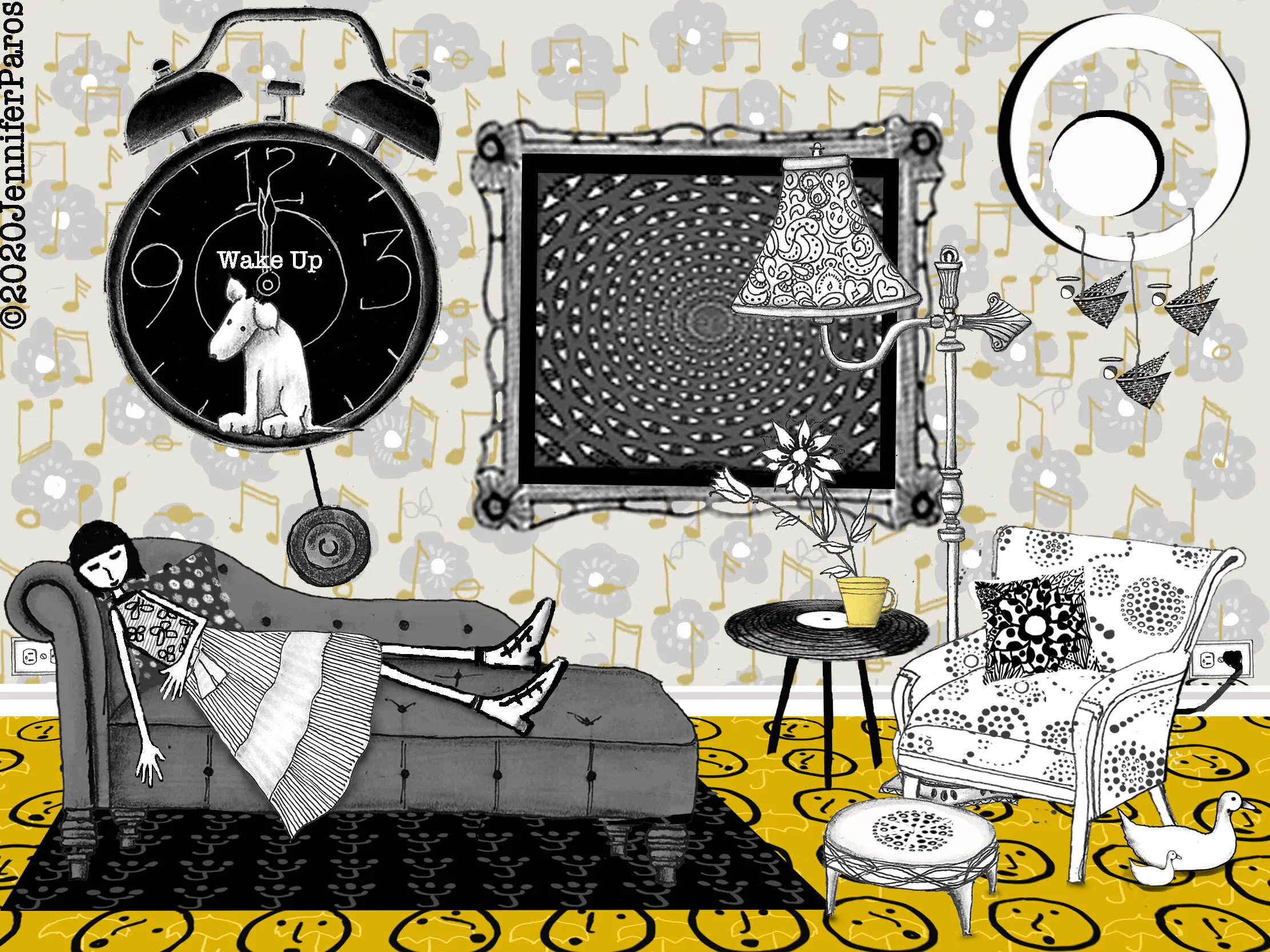
When I was a kid, I used to trail after my Mom while she did various tasks around the house. Sometimes, after a while of me talking steadily, she’d turn and say, “Enough.” It wasn’t said harshly – it was more of a plea of exhaustion followed by an endearment. I always felt ashamed at those moments, but if I’d been honest with myself I would have admitted that I too was exhausted. Often I was talking in my sleep. Leftover frustration and sadness were driving a somewhat unconscious me; I was distractedly trying to talk my way out of discomfort.
Early in our marriage, my husband described that kind of talking as “searching”; he said it seemed as though I was just talking in search of relief with no real direction. This analysis wasn’t a big hit with me; I felt guilty and defensive. My unhappiness seemed important; my need for comfort, relevant. But he too was exhausted, and though I could not defend this kind of talking, I knew there was something worth defending. I was hoping to hear my own voice, not the scared, negative, reactive one, but the one that knew I was going to be okay, that I was good and valuable, and that my natural state was happy. Little did I know you have to be awake to hear that voice.
I’ve learned that when I feel unhappy, I’m not all the way here. I’ve vacated; now is a stranger to me whether or not I believe I’m in it. I’m standing on the head of the present moment attempting to reach for something else, looking to get to the next thing or just out of where I am. It seems like being unhappy is a sure sign of being where I am and not liking it, but it turns out that is incorrect. What’s happening is that my thinking (and talking) is, at the moment, out of accord with who I really am and what I really want.
Read More