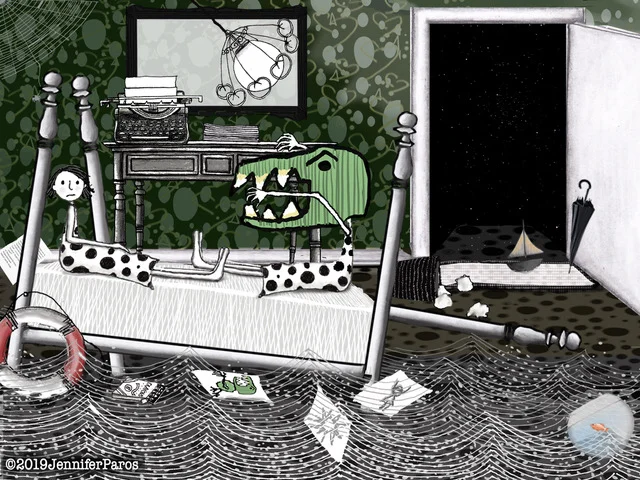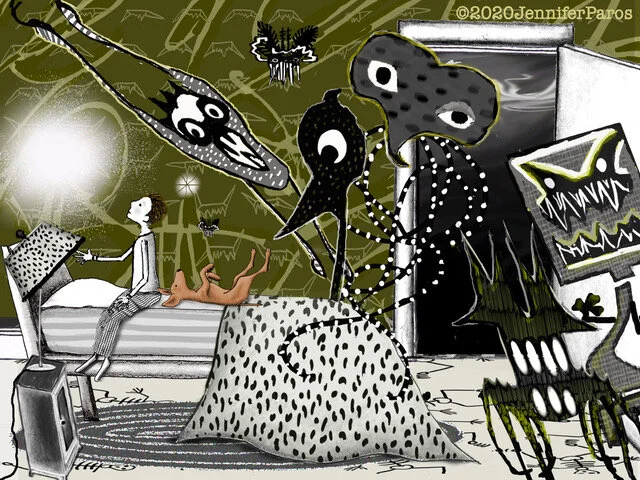
At 85, my father went through a brief period in which he was in and out of hospitals. There was a lot of communication between family members regarding what did – or didn’t – need to be done. I found myself mentally on call, though most of the time I was unneeded. The business of waiting for news that I would have to do something put me into a state of hyper alertness more stressful than any event that occurred during that time. I was in mental overdrive. My focus was fixated on a future over which I had no control and on living up to responsibilities I could not yet define. I was overwhelmed – not from what was happening, but by the idea of what might happen.
During World War II, the Nazis developed the Blitzkrieg – in which columns of tanks rushed into Poland, the Netherlands, Belgium, and France. As Ryan Holiday says in his book, The Obstacle Is the Way, the Blitzkrieg was constructed to capitalize on the enemy flinching when faced with what seemed to be an “overwhelming force.” The enemy had to fall apart, otherwise the Blitzkrieg strategy wouldn’t work. It was Dwight D. Eisenhower who demanded his generals no longer see the situation as a disaster. He envisioned taking advantage of the onslaught of Germans, rather than recoiling. They would bend, not break, in the face of the upset. Holiday says the Allies were “. . . able to see the opportunity inside the obstacle rather than simply the obstacle that threatened them.” This new perception helped change the course of the battles to follow.
Read More