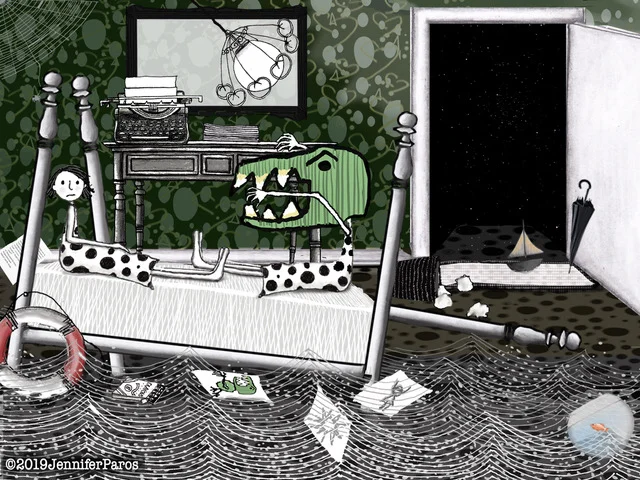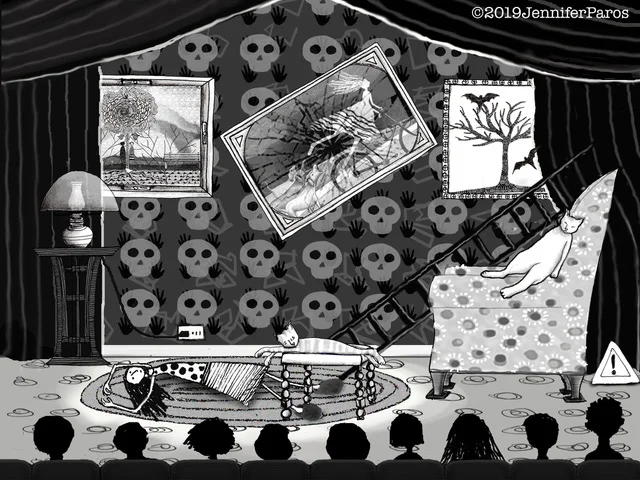
My father died recently. He was eighty-five years old and died in his sleep. When we arrived at his house, the police officer told us we could look at the body if we wished. The emergency care workers had laid it on the floor in his bedroom. After some time, I walked up the steps and peered in from the doorway. There it was – covered with a sheet – and the first thing I thought was how very small his body was – much too small to have housed him.
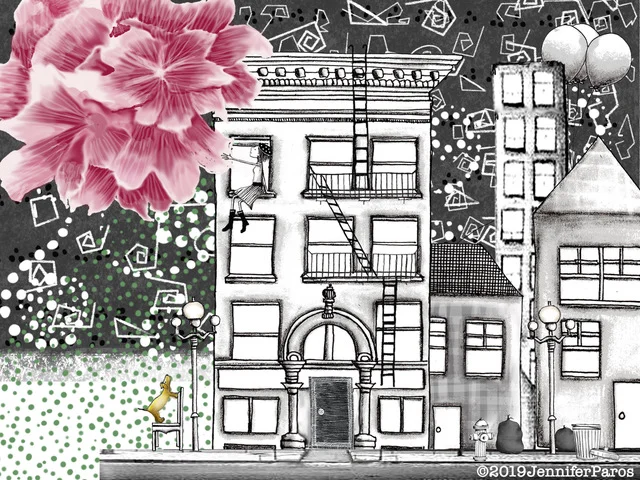
All that intelligence; he was an idea-, word-, movie-, book-loving, writing, teaching, leading director of all sorts with an unrelenting persistence and stubbornness. Everything I knew about my father, which was certainly not his totality, must have streamed through his physical self but couldn’t have been contained in it.
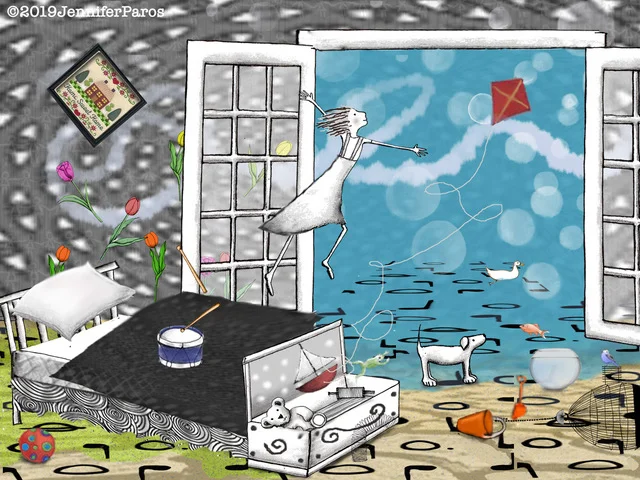
It made me think of neuroscientist Jill Bolte Taylor’s 2008 TED Talk in which she describes suffering a hemorrhage in the left hemisphere of her brain. Her language-centers, memory, and logic gradually went “offline.” She describes being unable to define the boundaries of her body – seemingly blending molecularly with her environment and losing her personal identity. She says she knew a great peacefulness. “I felt enormous and expansive, like a genie liberated from her bottle . . .. I remember thinking there’s no way I would ever be able to squeeze the enormousness of myself back inside this tiny, little body.”
Read More